


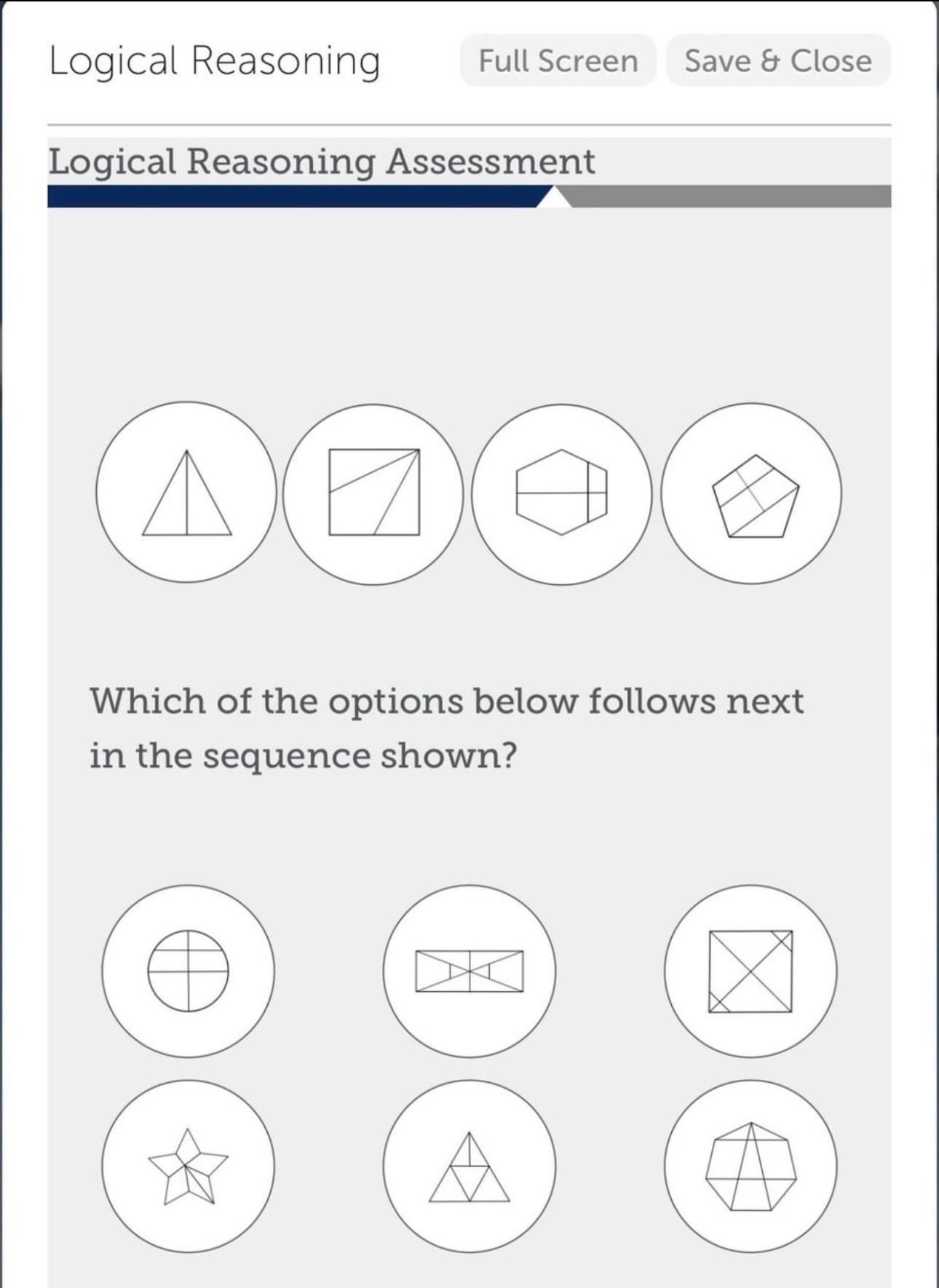
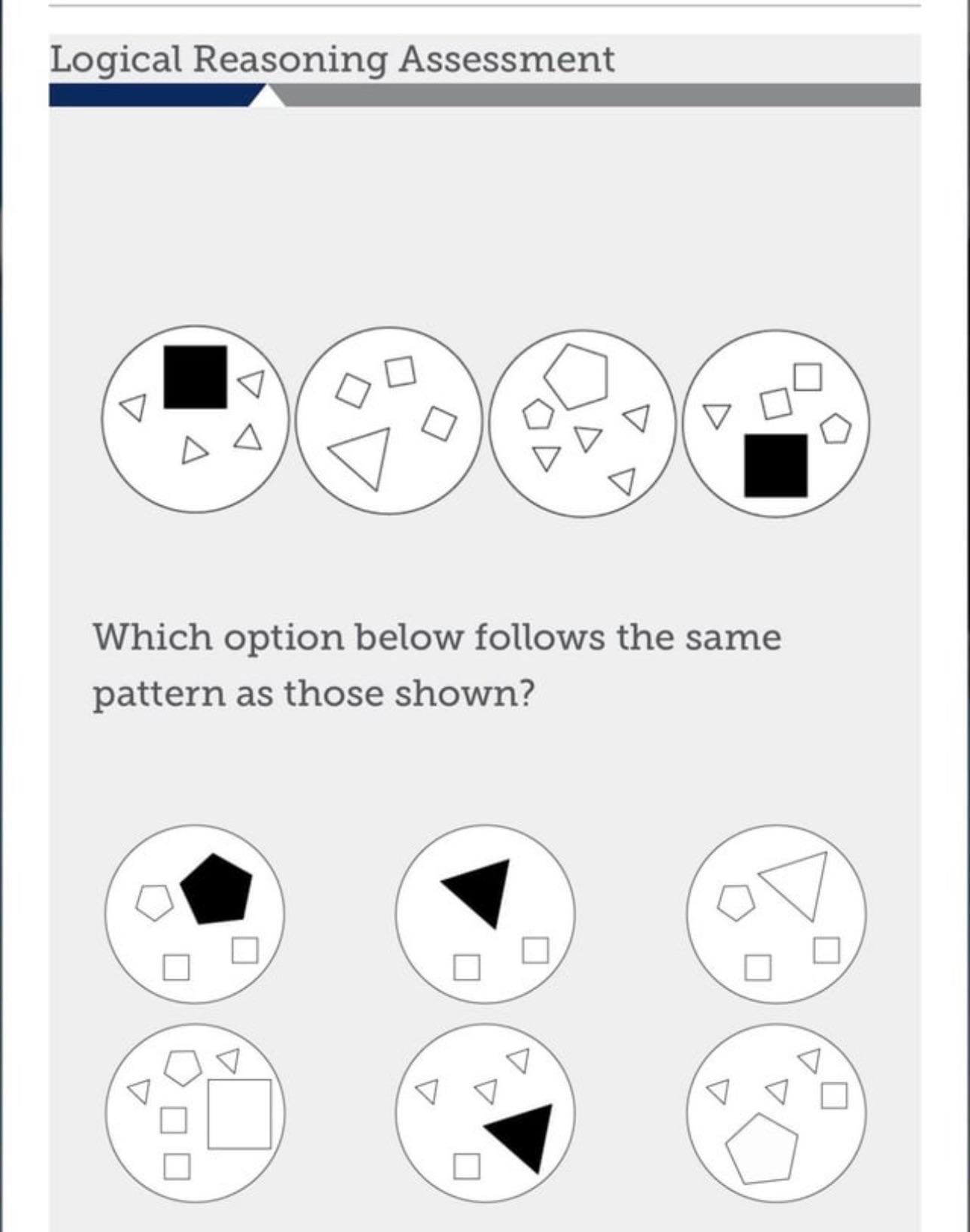
Preamble
Reasoning
Reasoning is extremely critical IRL, and incidentally also one of the most important categories for an SCD character to have. It is critical to making good decisions, remaining objective, assessing risk, being adaptable, and reaching sound conclusions.
We use reasoning every day IRL. IRL, “Reasoning” is technically a subset of “Thinking”, though in SCD they’re treated as separate categories. I’ll define reasoning broadly here: “Reasoning is the process that takes you from observations to conclusions.” Illogical and incoherent reasoning is still reasoning, but it’ll probably lead you to the wrong conclusions even with the correct observations. Hence, it’s obvious why you’d want to improve your reasoning.
Intuition
Often thought of as contradictory to reasoning, it’s actually extremely useful in strengthening your reasoning ability.
Just like how top chess players often get a sense for what the best move is (intuition) before they calculate moves and justify it (reasoning), you can use your intuition to first direct your focus, and use reasoning to evaluate that hunch.
Hence, I suggest that, realistically, reasoning and intuition go hand in hand, despite the common sentiment that they are opposites.
Breakdown
L Lawliet; Distillation
Distillation: The skill of extracting the essential, actionable information from a mass of complex or chaotic data.
In other words, you selectively focus on a small subset of data out of a larger set of data, filtering down to just the few variables that actually matter.
This is crucial to “reduce the noise”—essentially limiting the frame of reference and allowing you to make accurate and informed deductions.
A trade-off is observed:
- ignore too little and you’re overloaded with noise
- ignore too much and you miss important points and the larger picture, failing to conclude on what’s important.
L Lawliet does not necessarily see more, he’s better at ignoring.
Best L feat for distillation
When L first learns of the Kira case, he is faced with a massive data pool.
Criminals from all over the world die of heart attacks. It is a global phenomenon. With no lead on the culprit, there is a suspect pool in the billions.
Here, L could have gone down many dead-ends:
-
He could have researched each and every victim, analysing their past, trying to find a similarity, maybe a common gang association.
-
He could study the crime scenes, looking for physical traces, perhaps speculating on the technology that could have killed people remotely.
-
He could have done tests on the prison food, seeing if they were the cause.
Instead, L narrows down the truly useful pieces of information and analyses them. He focuses on just these two aspects of the case:
- Who was the first criminal recently to die of a heart attack?